
5 Ways Corporate Advisors Make It Profitable

Corporate Deal structuring with Prashasthi Corporate Advisors
Table of Contents

Deal Structuring: 5 Smart Ways Corporate Advisors Profit

A profitable deal isn’t just about “how much,” it’s about how it is structured. You could agree on the perfect price and still walk into a risky, complicated situation. That’s where deal structuring comes in, and corporate advisors are the ones who shape these deals to actually work.

Corporate deal structuring is like the blueprint of a house. It decides who pays what, when, and under what terms. It controls how risks are shared, how value is unlocked, and whether both sides walk away happy.

Let’s explore five smart deal structuring strategies corporate advisors use to drive profitable outcomes.

1. Deal Structuring with Mixed Payment Methods: Cash, Equity, & Seller Notes

How Corporate Advisors Lead This?

Advisors don’t recommend plain cash deals anymore. Through smart deal structuring, they blend payment types like:

  • Cash upfront for instant seller liquidity
  • Equity rollover so sellers can stay invested in the business
  • Seller notes to reduce the buyer’s immediate cash needs

For example:

  • $5M cash at closing
  • $3M seller notes over five years
  • $2M equity stake rollover

    Payment Structuring by Corporate Advisors while deal making | PCA

Corporate advisors design these payment structures to match both sides’ goals. Some sellers want a quick exit; others want long-term upside.

Advisors actively:

  • Build custom payment splits
  • Negotiate terms
  • Balance cash flow for buyers while protecting seller interests

Without their smart payment structuring, many deals would fall apart at the table.
2. Deal Structuring with Earnouts & Contingencies: Aligning Incentives

How Corporate Advisors Lead This?

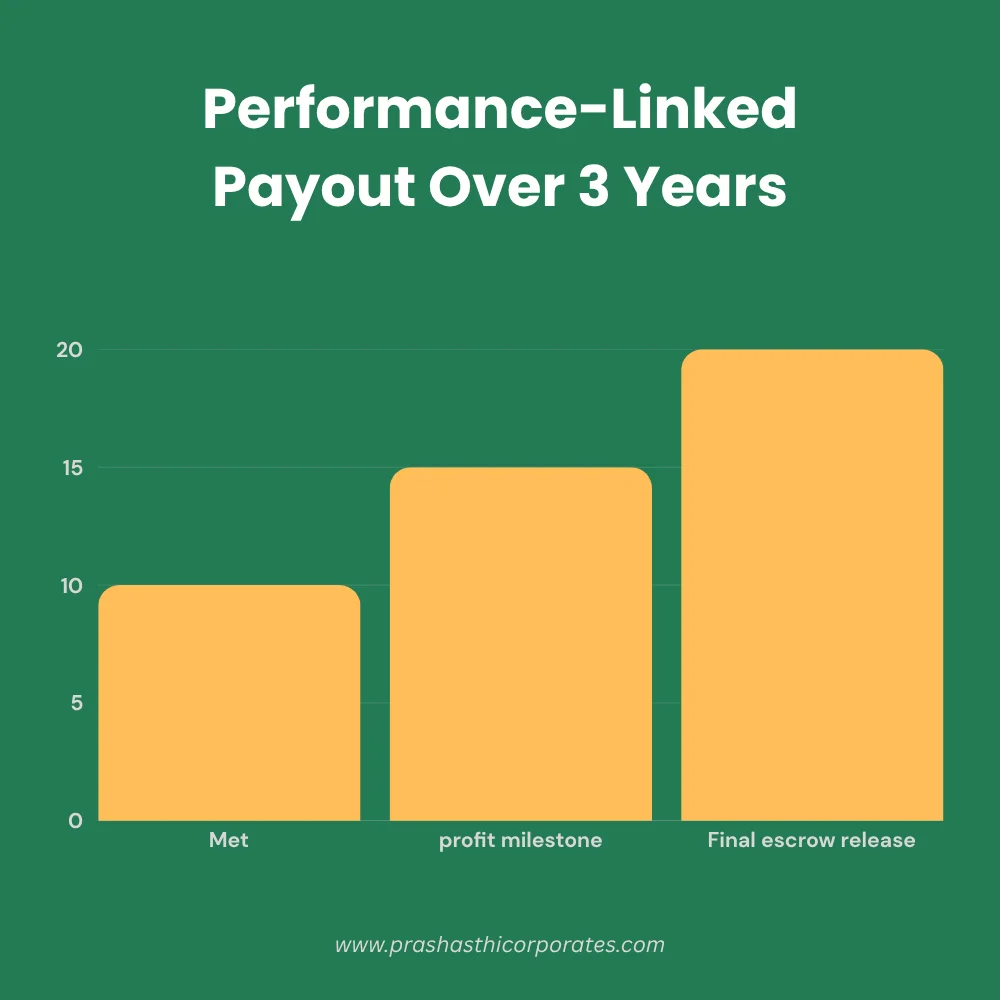
When buyers and sellers disagree on the value, corporate advisors often recommend performance-based payments like earnouts.

In this deal structuring strategy, part of the purchase price depends on hitting revenue or profit targets post-sale.

Advisors help:

  • Set clear, measurable earnout targets
  • Build practical timelines (often 1–3 years)
  • Protect both parties with dispute resolution terms
  • Suggest escrow accounts to hold back funds for warranty breaches

For example:
Up to 25% of the price may be linked to future revenue goals.

Advisors manage these complex payment structures to:

  • Reduce buyer risk
  • Keep sellers motivated
  • Smooth out valuation gaps

Without careful earnout structuring, deals can quickly become toxic.

3. Deal Structuring for Risk Management: Escrow & Indemnity Protections

Performance-Linked Payout Over 3 Years | PrashasthiHow Corporate Advisors Lead This?

Corporate advisors protect clients from post-closing surprises by carefully structuring risk protections.

They recommend:

  • Escrow accounts (typically 5–13% of the purchase price).
  • Indemnity clauses that limit seller liability.
  • Rep & Warranty Insurance (RWI) to cover unknown risks without tying up cash.

Advisors help:

  • Balance buyer protection with seller flexibility.
  • Set timeframes for escrow releases.
  • Cap maximum liability so sellers can move on confidently.

Risk management in deal structuring is where advisors add real value. They build layers of protection so buyers aren’t left cleaning up hidden debts or legal issues after the sale.

4. Financing Deal Structuring: Balancing Debt and Equity Smartly

How Corporate Advisors Lead This?

One of the most important parts of deal structuring is figuring out how the buyer will fund the deal.

Advisors step in to:

  • Secure smart debt financing options like SBA loans or private debt
  • Design financing stacks that mix loans, seller notes, and equity.
  • Build capital structures that reduce interest costs and protect cash flow

For example:

  • SBA loans cover 70-80% of the price
  • Seller notes add flexibility
  • Equity rollover from sellers keeps them invested

The advisor’s job is to optimize the Weighted Average Cost of Capital (WACC) to make the deal affordable and profitable. Without this careful deal financing structure, buyers risk over-leveraging and breaking the cash flow.

5. Choosing the Right Deal Format: Asset, Stock, or Merger

Advisor working with a team in a boardroom, documents, and laptops open | Prashasthi Corporate AdvisorsHow Corporate Advisors Lead This?

The legal deal structure impacts taxes, liabilities, and deal complexity. Corporate advisors guide clients to the right format.

They help choose:

  • Asset purchases: Buyer selects assets/liabilities, safer, but may trigger tax and contract issues.
  • Stock purchases: Buyer takes over the whole company, faster but riskier.
  • Mergers: Useful when two businesses want to combine operations.

Advisors also help structure:

  • Leveraged Buyouts (LBOs) for private equity deals
  • Joint Ventures (JVs) for shared partnerships

Corporate advisors carefully design custom deal structures that:

  • Minimize tax
  • Limit legal risks
  • Speed up closing

Without the right legal structure, even well-priced deals can fall apart.

2025 Trends: Why Deal Structuring Needs Advisors More Than Ever

Corporate advisors are even more essential in today’s deal market because:

  • Interest rates are easing, fueling more mergers and acquisitions.
  • Cross-border deals are growing, bringing tax as well as legal challenges.
  • Regulatory changes (like tariffs and local policies) also require flexible deal terms.
  • AI and data tools are now also allowing advisors to customize structures quickly.

In 2025, cookie-cutter in deal structuring doesn’t work. Corporate advisors provide the tailored strategies that modern deals need to succeed.

Build Deals That Truly Work

Deal structuring isn’t just about getting a deal done; it’s about getting it done right. Corporate advisors don’t just close deals, they shape them to create real profit, reduce risks, and protect everyone who are involved. Whether it’s smart payment mixes, strong risk protections, or the right legal structures, corporate advisors build deals that actually work.

If you’re looking to structure deals that create real value, firms like Prashasthi Corporate can help you get there with practical, tailored solutions.

Hire Top Corporate Advisors for Deal Structuring!

Our team is an excellent choice for your business. We assist you closely with profitable deal making. Book A Call with out advisors now.

Discover more from Prashasthi Corporate Advisors

Subscribe to get the latest posts sent to your email.

6 thoughts on “5 Ways Corporate Advisors Make It Profitable”

  1. Pingback: How RegTech in India Is Modernizing Corporate Advisory Services

  2. Pingback: Corporate Advisors vs Financial Advisors: Key Differences

  3. Pingback: Role of Corporate Advisors in Business Success | Guide 2025

  4. Pingback: Operating Leverage vs Financial Leverage: Real Difference Explained

  5. Pingback: PF Registration Eligibility: Rules, Criteria & Employer Guidelines

  6. Pingback: How to Apply for PF Registration Online – EPFO Step-by-Step Guide 2026

Leave a Comment

Your email address will not be published. Required fields are marked *

Scroll to Top

Let's Take Your Business Ahead!

We Tailor Strategies for Your Business Growth

Get expert Guidance on Audit, Compliance & Corporate Governance